The Camping, Hiking, and Survival Cheat Code
Safe and smart camping and hiking start with preparation so pack light, stay hydrated, navigate confidently, and respect the outdoors so every trip is safe, efficient, and unforgettable.
Admin
4/16/20263 min read
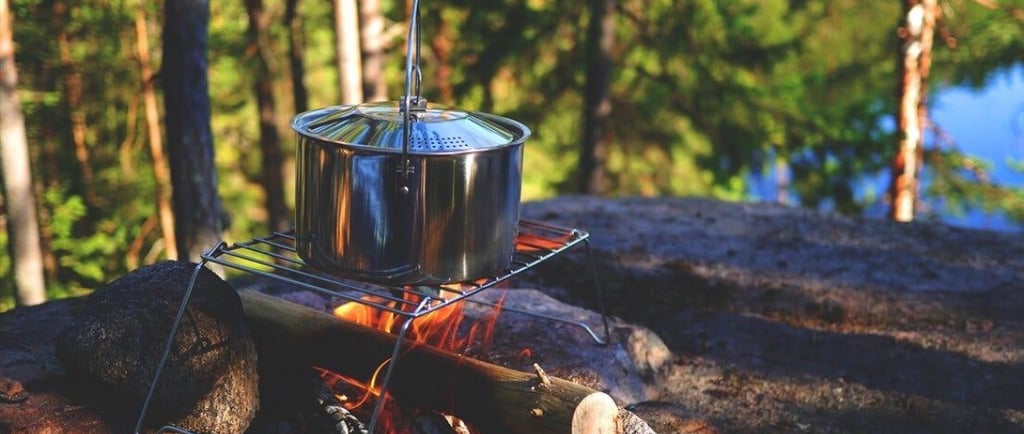
The camping, hiking, and survival cheat code
Camping and hiking aren’t just outdoor activities—they’re a reset button. Whether you’re heading out for a weekend in the woods or planning a longer backcountry trek, the difference between a great trip and a miserable one often comes down to preparation and awareness. The good news is, you don’t need to be an expert survivalist to thrive outdoors—you just need the right mindset and a few practical strategies.
Master the Art of Packing Smart
Packing isn’t about bringing everything—it’s about bringing what matters. Overpacking will slow you down and drain your energy, especially on longer hikes. Focus on essentials: shelter, water, food, navigation, and safety.
A good rule is to follow the “10 essentials” mindset: navigation tools, sun protection, insulation, illumination, first aid, fire starters, repair kits, nutrition, hydration, and emergency shelter. If you’re hiking, weight distribution matters just as much as what you pack—keep heavier items centered and close to your back to maintain balance.
Minimalism isn’t just convenient—it’s strategic. Every ounce counts when you’re miles from your starting point.
Choose the Right Campsite
Where you camp can make or break your experience. Look for flat, dry ground and avoid low areas where water can collect if it rains. Camping near water is convenient, but don’t set up too close—rising levels or bugs can quickly become a problem.
Pay attention to wind direction and natural cover. Trees and rocks can provide protection, but also watch for dead branches overhead (often called “widowmakers”). A little awareness here can prevent serious issues later.
And remember: leave no trace. Respecting the land ensures it stays open and beautiful for everyone.
Stay Hydrated and Know Your Water Sources
Water is non-negotiable. Dehydration can sneak up on you, especially during long hikes or hot weather. Always carry more water than you think you’ll need, and know where you can refill along your route.
If you’re relying on natural water sources, purification is critical. Filters, purification tablets, or boiling are all effective methods. Never assume water is safe just because it looks clean.
Pro tip: drink consistently throughout the day instead of waiting until you feel thirsty. By then, you’re already behind.
Dress for the Environment, Not the Forecast
Weather can change fast outdoors. The key is layering. Start with a moisture-wicking base layer, add insulation, and top it off with a weather-resistant outer layer.
Avoid cotton—it holds moisture and can make you cold quickly. Instead, go for materials like wool or synthetic fabrics designed for outdoor performance.
Footwear is just as important. A solid pair of hiking boots or trail shoes can prevent injuries and keep you comfortable over rough terrain. Break them in before your trip—blisters can ruin an otherwise great adventure.
Navigation: Don’t Rely Solely on Your Phone
Technology is helpful—but it’s not foolproof. Batteries die, signals drop, and devices fail. Always carry a physical map and a compass, and know how to use them.
Familiarize yourself with your route before you head out. Look for landmarks, trail markers, and elevation changes. The more you understand your environment, the less likely you are to get lost.
Confidence in navigation builds freedom. It allows you to explore without constantly second-guessing your direction.
Food Planning: Fuel Your Body Right
Food is more than just comfort—it’s fuel. Hiking burns a lot of calories, so you’ll need energy-dense foods that are easy to carry and prepare.
Think trail mix, jerky, energy bars, and dehydrated meals. These options are lightweight but packed with nutrients. Plan your meals ahead of time so you’re not guessing when hunger hits.
And don’t forget: food safety matters. Store food properly to avoid attracting wildlife, especially in bear-prone areas.
Safety First, Always
This should go without saying but solid preparation is your best defense. Always tell someone where you’re going and when you plan to return. Carry a basic first aid kit and know how to use it.
Small tools can make a big difference—a whistle for signaling, a headlamp for visibility, and a fire starter for emergencies. These items don’t take up much space, but they can be lifesavers.
Trust your instincts. If something feels off—weather, terrain, your physical condition—it’s okay to turn back. The outdoors will always be there.
Respect the Outdoors, Enjoy the Journey
Camping and hiking are about more than reaching a destination—they’re about experiencing the journey. The quiet, the challenge, the connection to nature—it all adds up to something bigger than the trip itself.
Preparation gives you confidence. Awareness keeps you safe. And the right mindset turns every trip into a meaningful experience.
So pack smart, stay sharp, and get out there. The trail is waiting.